Get Familiar: EYCEE
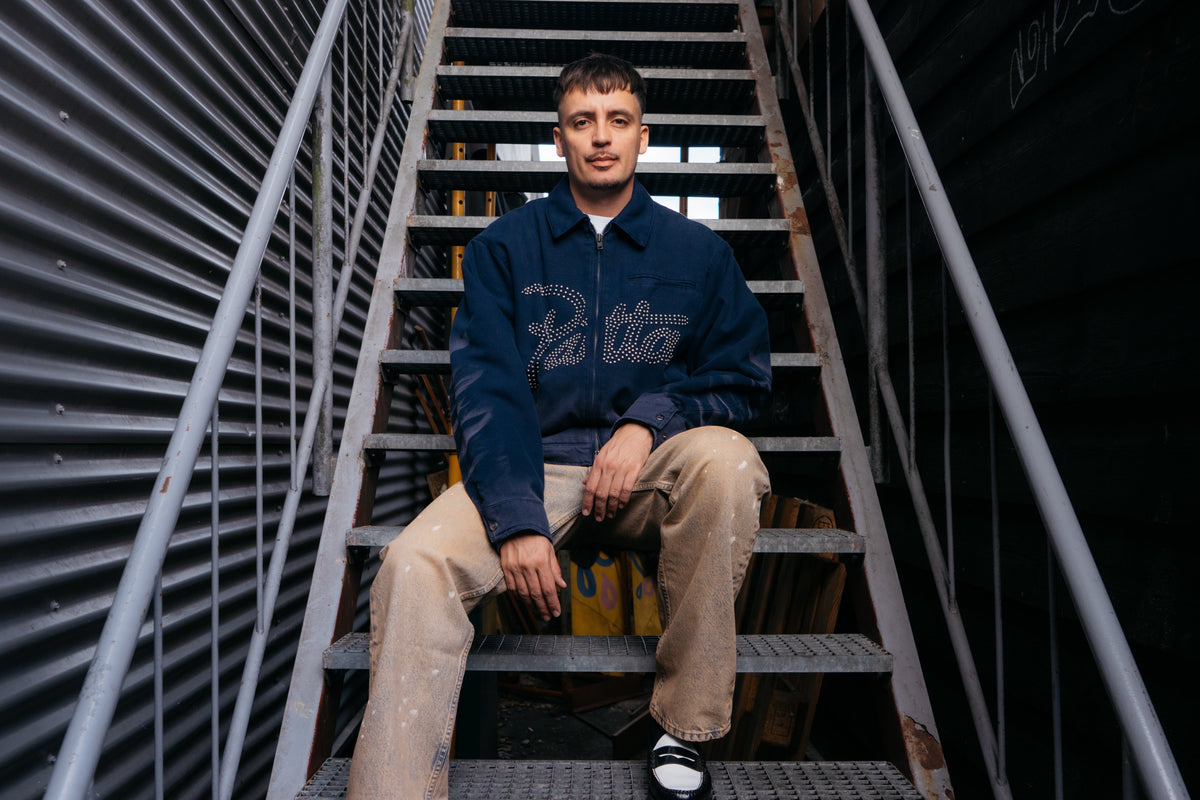
Interview by Passion DEEZ | Photography by Lily Arwen
For the past decade, EYCEE has quietly become one of the most important connectors in Dutch nightlife. Through PARDON, the platform he founded, he helped introduce sounds, artists and scenes that sat outside the traditional boundaries of Amsterdam club culture, creating space for UK bass, club mutations, emerging talent and cross-border collaborations long before many of those sounds became fixtures on Dutch lineups. This year PARDON celebrates its tenth anniversary with international editions, a growing label catalogue and a reputation for championing artists before the rest of the industry catches up. At the same time, EYCEE's own musical output continues to evolve. Recent releases such as make ‘em dance, Never Enough and Cuevas MAW DUB showcase an artist increasingly comfortable moving between genres while refusing to be boxed into a single sound. As the year draws to a close, after a busy summer of Festivals, club shows and international appearances, we caught up with EYCEE to reflect on ten years of PARDON, the realities of sustaining an independent platform, his relationship with UK music culture, and why creative curiosity remains his greatest asset.

PARDON is celebrating its tenth anniversary this year. Looking back, where does the platform stand today?
Reaching ten years feels significant because it's never been easy. After COVID we had a really strong run of events where we rebuilt momentum and continued growing the platform. We'd already been talking for years about expanding outside the Netherlands, and the ten-year anniversary felt like the right moment to start doing that properly.
The series of international events are happening very organically. We work with promoters and collectives we genuinely respect, and if it feels like there's a natural connection, we'll explore ways to collaborate.
Personally, getting to this point means a lot. There were plenty of moments where I doubted things or had to push through difficult periods. That's part of any long-term project. To still be here ten years later feels rewarding, both for me personally and for everyone who's contributed to PARDON over the years.
When you look at contemporary dance music lineups, can you see PARDON’s influence?
I don't want to take credit for everything, because there are a lot of great people doing good work. But I do think we played a role in introducing certain UK sounds and artists to Dutch audiences, especially in the years after COVID. We've always tried to lead with what we genuinely believe in. If we think an artist deserves a platform, or a sound deserves more attention, we'll try to create space for it.
Over the years, I've had local promoters tell me they were inspired by what we were doing and that they wanted to build something similar in their own city. That's probably one of the most rewarding parts of it because it means the impact extends beyond our own events.

Has that mission changed over the years?
Not really. The specific sounds might change, but the mindset remains the same. We're still interested in finding things that feel fresh and exciting, things that deserve more visibility, and helping create opportunities around them. That's always been the DNA of PARDON.
You've worn many hats over the years: DJ, producer, label head, promoter and curator. What takes up most of your time these days?
Honestly, there isn't really a typical day. One day I'll spend the morning dealing with logistics for an event, the afternoon organising travel or schedules, and then the evening working on music. I generally separate the administrative side from the creative side. During the day, I'm handling emails, invoices, planning and everything else that comes with running projects. Then in the evening, I switch into studio mode. I actually enjoy working on music at night, because fewer people are trying to reach me. I can focus properly.

Amsterdam nightlife has changed dramatically over the past decade. What do you think is better now?
I think there are far more opportunities for younger artists. Ten years ago, if you played sounds that didn't fit neatly into established genres, there weren't many platforms available. That's one of the reasons we started PARDON in the first place. Today, there are more bars, smaller venues and experimental spaces where younger DJs can develop, take risks and learn. The barriers to entry are lower than they used to be, and that's a positive thing.
Since our last conversation, you've released music on United Identities, expanded the PARDON label and continued developing more of your own productions. Let's start with Queen Bee 2.0. How did that record come together?
It's actually quite a funny story. Seb Wes originally sent me the track while I was on holiday in Cyprus. I really liked it, but I felt there were a few things I would have approached differently. So I asked him if I could remix it. He sent me the stems and I started working on it. Then my laptop got stolen, which meant we had to rebuild everything from scratch. By the time we finished reconstructing the record, it had naturally evolved into something new. That's why it became Queen Bee 2.0 rather than simply a remix. It ended up becoming a collaboration and a more developed version of the original idea.

Another standout release is make ‘em dance. How did that track emerge?
I have an enormous folder of unfinished music. The challenge isn't making tracks, it's deciding which ones deserve to be released. I move between genres constantly. One week I might be making House music, the next week UK-funky, then something bass-heavy or even techno. I enjoy the freedom that comes with that, but it also means I end up sitting on a lot of music. A friend came by the studio and I started playing him various demos. make ‘em dance immediately stood out to him. That conversation helped me realise it should be the next release. It's definitely one of my more energetic records. It feels designed for larger rooms and bigger festival moments.
Speaking of festivals, you've already played some major events this year. How has the season been treating you?
I'm incredibly grateful. Getting booked for the festivals you've dreamed about playing always feels special. What I enjoy the most is being trusted to play different kinds of slots. One weekend I might be on a house-oriented lineup, the next I might be playing something much more bass-driven or eclectic. For a long time, people have always told me it would be smarter to focus on one sound because it would make my identity clearer. I ignored that advice. Now I feel like that decision is paying off, because promoters trust me to move between different environments while still being myself.
Another recent release is Never Enough with DANN. That track started life in London.
Yeah, that one came together very naturally. I was in London for a few days, mostly to recharge creatively. I went record shopping, visited Fabric, saw Carista play and generally immersed myself in the city. At the same time, Dann was in town for a writing camp. We met up at Red Bull Culture Clash, had a couple of drinks, went straight to the studio afterwards and started working. Sometimes the best ideas happen when you're outside your normal environment. You're inspired, your ears are fresh and everything feels a bit more open. That's exactly how Never Enough came together. Special shout to Who’s Susan.
London seems to be a recurring source of inspiration for you.
Definitely. My connection to UK music actually goes back much further than I realised at the time. Growing up, I was already drawn to artists like Gorillaz and records like Freestyler, long before I understood where those sounds came from. Cyprus also has strong historical ties to Britain, so English culture was always present in certain ways. As I got older, that interest naturally expanded into UK garage, dubstep, grime, bass music and everything surrounding those scenes. A huge percentage of the artists I admire and the music I collect still comes from the UK.

You've also spent time in Manchester recently. How does it compare to London creatively?
Manchester feels different. London is incredible, but there's also a lot of pressure and competition. Manchester feels a bit more collaborative or tight-knit in that sense. It reminds me a little bit of the relationship between Rotterdam and Amsterdam. There's less focus on status and more focus on supporting each other and building things together. I really enjoyed the atmosphere and had a great time over there.
Looking ahead, what excites you most about the future?
I'm thinking a lot about legacy recently. That sounds dramatic, but I think when you've spent ten years building something, you naturally start asking what comes next. I'm increasingly interested in creating things that go beyond club nights. I want to think about how we can bring people together, share knowledge, create opportunities and help inspire younger generations.
And musically?
The hard drives are full. I've got a huge archive of music waiting to be finished, refined or released. Right now, the challenge is figuring out the best way to share these tracks with the world. There's a lot more coming, trust!

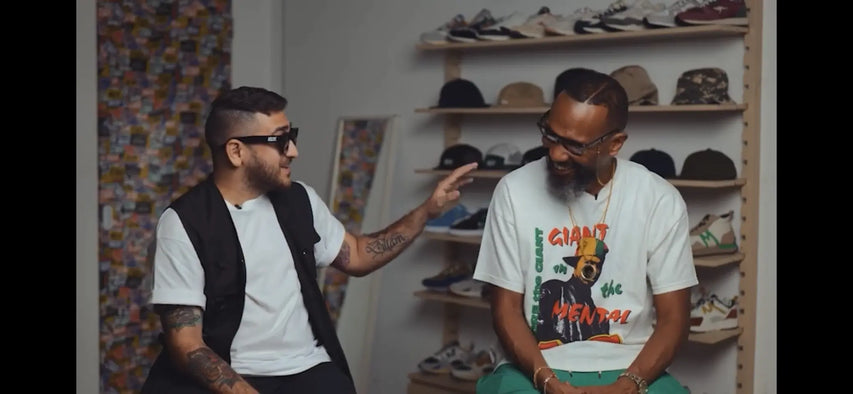
For EYCEE, ten years of PARDON isn't a finish line but proof that independent ideas can have lasting impact when they're guided by conviction rather than trends. Whether introducing overlooked artists, building bridges between scenes or continuing to push his own productions into new territory, his approach remains rooted in curiosity above all else. As PARDON enters its second decade and his catalogue continues to grow, it's clear that neither the platform nor its founder are interested in standing still. If the first ten years were about creating space for new sounds, the next chapter looks set to focus on building an even broader legacy—one that extends beyond the dancefloor and into the communities that keep it moving. Watch EYCEE b2b Chale at Patta x Keep Hush now.